


Buying and Selling Altcoins: Complete Guide

with ArbitrageScanner!
A recently emerging cryptocurrency on the market can be used in a multitude of different ways, from making transactions online, to providing added functionality and innovation for the blockchain industry. Altcoins can significantly enhance your investment portfolio, and provide much higher returns on investment than bitcoin alone, so learning how to buy and sell altcoins is critical. This guide is your resource for learning how to become an altcoin trader, and where to find and trade cryptos with confidence and safety.
Understanding Altcoins
For all intents and purposes, an altcoin is simply another word for “alternative coin.” An altcoin can refer to any cryptocurrency, and has only recently become widely used in reference to any cryptocurrency other than bitcoin; Namecoin is credited with being the first altcoin, launching in 2011 and leading to an explosion of altcoins as blockchain technology evolved and advanced. While bitcoin continues to be the predominant currency in market capitalization, altcoins comprise a significant portion of the total valuation, often acting as catalysts for technological advances within the crypto industry.
Key characteristics
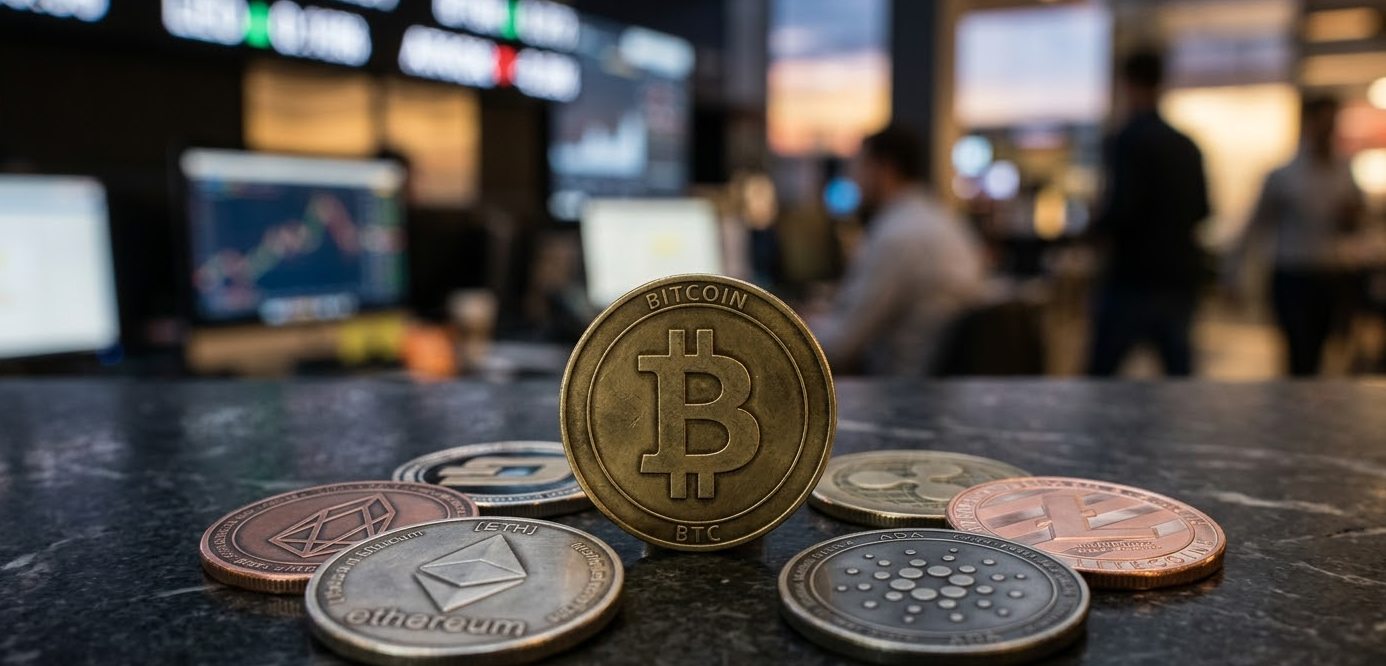
Although Altcoins tend to behave most similarly to each other than to bitcoin, there is a huge variety of altcoins available to investors now. Many, but not all, of the newer altcoins utilize well-established blockchain technologies, such as ethereum or solana. The value of many altcoins is derived from their use within an ecosystem, i.e. they may be used for governance rights, or to access staking rewards, or in order to pay trading fees.
Market dynamics
The volatility of the traditional stock market has too long been used to describe the cryptocurrency market, especially altcoins; the volatility of the cryptocurrency market is usually much greater than that of stock markets. Historically, the prices of altcoins tend to mirror that of bitcoin but tend to be more sensitive to movement within the larger crypto market. Thus, during a protracted bull run, many of the leading altcoins can deliver outsized gains. However, crypto assets could fall dramatically in value within a bear market, making it important for every trader to risk-manage the loss from their investment.
Popular altcoins
Some major altcoins to consider trading offer some potential to competitors like Ethereum (ETH), Solana (SOL) and Cardano (ADA). Of the three, Ethereum has become the leader in supporting Decentralized Applications (dapps) however with other traditional altcoin projects, like Chainlink; the key is the use of data to enhance the execution of Smart Contracts, effectively enabling them to be deployed within their ecosystem.
There are also many altcoins within what are referred to as 'meme' coins (i.e. Dogecoin); which do not benefit from technical value – but their popularity comes from social factors.
Technology differences
The differences between how altcoins function is an important consideration in developing a successful trading strategy. Depending on the type of consensus mechanism used by an altcoin will determine the technology and how it is built. There are basically two types of consensus mechanisms that altcoins use to be built. 1) Proof-of-Work (PoW) / 2) Proof-of-Stake (PoS).
Most newer-generation altcoins use a PoS consensus mechanism that enables them to use much less energy to operate and are much easier to mine than a PoW coin (such as Bitcoin).
Buying Process
The selection of platforms (i.e. from fiat currency to other cryptocurrencies), for trading is an essential part of buying altcoins. A clearly defined strategy and a secure cryptocurrency exchange must be present for you to conduct a successful transaction. Furthermore, when converting from fiat cash to an altcoin (digital cash) you need to fully understand how to select an exchange to use in order to effectively locate.
Exchange selection
The final consideration in selecting a trading platform is security. Coinbase is known for its user-friendly interface, while Binance provides a wide range of altcoins at low trading costs; however security features must be considered when selecting a trading platform. Therefore, when determining which is the best platform to trade cryptocurrencies, you will need to consider the level of security that is provided (i.e. 2FA and Cold Storage).
Portfolio allocation
Prior to purchasing an altcoin, determine the amount of your capital at risk. Altcoin professionals have generally suggested that at least 30% should go into altcoins with Bitcoin acting as the anchor of one's portfolio. Therefore, a balanced cryptocurrency trading approach should be followed to prevent any one coin from being the cause of your entire account crashing.
Research methods
Don't simply go along with the hype of crypto news or social media when searching for your next great altcoin. To select the ideal altcoin, you should look at its whitepaper, the background of the development team, and trading activity. Additionally, consult the token's market capitalisation to determine whether the token has sufficient room to grow or has run ahead of itself. Investing in altcoins without research is gambling, not investing.
Purchase steps
Once you have determined which trading platform you will use:
- Create an account and complete KYC verification.
- Fund your account with fiat currency (i.e., USD, EUR, etc.) using your bank’s wire transfer or credit card.
- Enter the ticker of the altcoin (i.e., SOL, XRP, etc.) in the search bar.
- Execute a market order for instant purchases or a limit order if you are waiting for your desired purchase price.
Storage options
Do not leave a considerable amount of any altcoins on an exchange for extended periods, use a hardware wallet (i.e., cold storage) so that your cryptocurrency holdings remain offline, which helps protect them against hackers. This also provides you with true ownership of your altcoins rather than simply having a balance on a platform like an exchange.
Selling Strategy
It is just as important to know when to exit an altcoin trade as it is to know when to enter. In order to make a profit in altcoin trading, you need the ability to stay disciplined and have an exit plan in place.
Market timing
There are cycles in the way cryptocurrencies are traded and sold. Many difficult decisions are made by professional traders to sell their altcoins during news stories when the price is at its highest. When considering selling, look for technical analysis indicating an overbought position or a high price on an altcoin that cannot be sustained.
Exchange choices
You can liquidate (sell) your altcoins on the same cryptocurrency exchange where you purchased them, but if you want to trade the altcoin in a way that requires niche trading features like making margin trades, you may want to transfer your altcoins to an advanced coin trading exchange that offers features for trading.
Order types
Keep your gains safe by using "Stop Loss" orders. This order will automatically sell your altcoin if the market price falls below a predetermined level. Conversely, traders can use "Take Profit" orders that will trigger automatically to buy or sell when specific prices are reached. This helps remove emotion from or irrationality in trading altcoins.
Exit planning
You should never make your first trade without a clear exit plan in mind. It would help to decide whether your long-term strategy is going to be to invest in your altcoins for years to come or if you are going to be trying to make a quick profit on your trade. Most successful investors in crypto have a common practice of selling their altcoins incrementally when the price increases to secure their profit in cash.
Fee considerations
It is important to remember that when you buy and sell actions on any cryptocurrency exchange, you will incur trading fees. If you trade your altcoins excessively or frequently, then trading fee generated on the exchange can severely cut into your profits. You should always check an exchange's fee structure before you begin trading in large quantities on the exchange.
Exchange Analysis
With hundreds of altcoins on the market to choose from today, the best exchanges to use will be those that have a good balance between good security and a wide range of altcoin selections.
Platform comparison
Binance is typically known as the best all-around choice for buying and trading a large number of altcoins at very low costs, while Coinbase is generally viewed as the easiest and most popular option for newer traders / investors in the USA to use as their first cryptocurrency exchange due to its user-friendly interface. Each cryptocurrency platform has different altcoins available for trading; therefore, you may need to have multiple accounts on numerous exchanges in order to be able to access and purchase certain newly created altcoins.
Security features
Successful exchanges have multi-signature wallets and have separate insurance funds to protect their Altcoin holdings. Before performing any trading of altcoins, confirm that the exchange has NOT been previously hacked. The security measures implemented by an exchange are the number one priority for a crypto investor.
Trading pairs
The majority of all altcoins are traded against Bitcoin or Stablecoins (such as USDT). If you are going to trade in the Altcoin market without having access to a direct fiat pair, you will need to first purchase either Bitcoin (BTC) or USDT and then use either of these assets to purchase your desired altcoin. This is the standard practice of investor / traders in the world of cryptocurrency.
Educational resources
A good cryptocurrency exchange will also provide its traders with an array of how-to tools and resources to help them learn the most efficient ways to trade their altcoins on the exchange.
User experience
The key to being a successful trader is knowledge! Tools such as TradingView help you monitor price range and volume data for your altcoins and cryptocurrency.
Investment Considerations
The Altcoin marketplace has tremendous upside potential with a lot of risk involved. A savvy investor / trader will focus on the long-term potential, as opposed to solely relying on a single trading day’s price movements.
Risk assessment
Altcoins can experience a 90% decline in value during a bear market. Therefore, please make sure that you don’t invest more in Altcoins than you can afford to lose. The cryptocurrency marketplace is a very speculative investment; even the best cryptocurrency projects can ultimately fail due to FATF restrictions, regulatory guidelines, and / or technical obstacles in using their product.
Portfolio balance
When investing, one of the most important principles to follow is diversification of your portfolio. Never put your hard-earned money into one single altcoin. Investing in a variety of altcoins belonging to different sectors (DeFi, AI, gaming, etc.) allows an investor to diversify their risk between those coins. If one particular coin does not do well, it is possible that another coin might do well and create profit.
Market analysis
Determine the continuing development of cryptocurrency and blockchain technology through market research into the cryptocurrency ecosystem to be aware of current cryptocurrency rules and regulations.
Long-term potential
In your search for the best altcoins for long-term growth or trading in short-term situations, being patient and being secure will help you most. Stay current with market conditions and trade based on your plan!
Conclusion
Understanding how to buy and sell altcoins is one of the first steps to getting into the world's fastest-growing financial market. Carefully selecting a reputable cryptocurrency exchange, thoroughly researching your altcoin project before trading, and managing your risk as an altcoin trader will lead to success in trading in the altcoin marketplace.
FAQs
What factors should be considered before investing in a new altcoin?
What are some of the considerations for determining a new altcoin investment? You should look into that specific project's use case, the development team's reputation, market capitalization, and liquidity on exchanges. You should always read the white paper of each project and find out if the project has a good level of engagement with its community on social media and other platforms.
How to choose the most secure exchange for altcoin trading?
How can I tell which exchange has the best security for altcoin trading? You should select an exchange that has an established history for successful trading, uses two-factor authentication (2FA), and is compliant with the laws in the region of interest. The two largest companies for a majority of cryptocurrency users around the world are Binance and Coinbase; they are considered the most trustworthy exchanges.
What are the key differences between major altcoins and their use cases?
What are the major differences between the various major altcoins, and how do their use cases differ? Some examples of the three largest altcoins are Ethereum (smart contracts), Ripple (payment transfers), and Chainlink (oracle). Regardless of their rank or size, each of these three altcoins is used in the blockchain for a specific purpose that influences the future value of each of them.
How to determine the right time to sell altcoin investments?
When is the best time to sell an altcoin investment? Your individual trading strategy should include target prices and stop-loss orders. One rule of thumb is to sell your altcoins after you have experienced your targeted return on investment (ROI) or when the market displays indicators that the market is in a high level of greed.
What percentage of a crypto portfolio should be allocated to altcoins?
What percentage of your total crypto portfolio should you invest in altcoins? A common strategy is to use a formula of 70% Bitcoin, 30% altcoins for your allocation. An experienced altcoin trader can likely allocate a higher percentage, depending on their level of risk and the market.
Want to learn more about crypto arbitrage?
Get a subscription and access the best tool on the market for arbitrage on Spot, Futures, CEX, and DEX exchanges.
You might be interested
Falling Knife in Crypto: Proven Buying Strategies
Fiat Currency vs Cryptocurrency
Crypto FUD: Guide to Fear, Uncertainty, and Doubt
