


What is the TRC20 Network and How to Create a TRON (TRX) Wallet for Cryptocurrency

with ArbitrageScanner!
Complete Guide to TRON (TRX) Wallets in 2026
The second-largest cryptocurrency by market capitalization made a breakthrough in the crypto industry with its mere appearance. Thanks to the Ethereum blockchain, many projects were implemented using decentralized applications. However, enough time has passed since 2015, and now Ethereum is not the only platform of its kind. If you look deeper, there are now many blockchains providing the opportunity to create decentralized applications.
In this article, we will analyze the most popular among them, Tron, specifically – we will talk about the blockchain, wallets, and the differences between TRC-20 and ERC-20.
What is TRON
A Brief Introduction to TRON
The Tron blockchain can be compared to Ethereum. Within the platform, users can exchange decentralized content of their own production, bypassing intermediaries. It turns out that content producers can directly supply it to the end consumer, who pays for it, and no other links in the chain are provided. If you look at YouTube, content creators can post it for free, and consumers can reward them for it, also bypassing intermediaries. However, the collected database of content consumers will still be monetized, for example, by showing ads to a specific audience.
In the Tron blockchain, the entire system is centered only on the producer and the consumer; there is no other monetization. To some extent, the Tron platform can be compared to Google Play and the AppStore. Also, there is no censorship on the platform, a problem that often arises on modern video hosting sites.
In addition to distributing content within the Tron blockchain, it is possible to create decentralized applications. All operations within the network are conducted using TRX (Tronix). The consensus algorithm in the Tron blockchain is DPoS. This means that transaction validation occurs through proof of stake. The network's validators are the largest holders of TRX tokens. You can become a network validator randomly, the network itself selects candidates, or through voting.
TRC Token Standards
As with Ethereum, there are several token standards in the Tron blockchain:
-
TRC-20. The most common type of token in the Tron blockchain. It is used to implement smart contracts and create fungible tokens. This standard functions only within the Tron network but can be transferred to other blockchains via special bridges;
-
TRC-721. An analog of ERC-721 on Ethereum, used for creating non-fungible tokens (NFTs);
-
TRC-1155. Used to represent and manage multiple fungible tokens simultaneously in a single smart contract to increase development efficiency;
-
TRC-10. This is the main technical standard for native tokens on the TRON blockchain, providing basic functions for working with tokens on this platform.
Choosing a TRON Wallet
Key Factors When Choosing a Wallet
Essentially, choosing a wallet for storing TRX or any other cryptocurrency is no different. There are a number of criteria to follow when choosing hot or cold wallets, namely:
-
Track the wallet's history. Were there any hacks or legal proceedings regarding user funds? If there are many precedents, it is better to refrain from using such a wallet;
-
What security mechanisms are implemented? If it is possible to use two-factor authentication, additional passwords, data encryption – this all increases the security of the stored cryptocurrency;
-
A crypto wallet must, or rather should, be without identity verification. If the developer company insists that the user undergoes an identity verification procedure, then it most likely cooperates with law enforcement agencies, at whose request it can block its clients' funds;
-
It is desirable that the wallet allows adjusting the size of commissions when making transactions. This will help in cases where you need to send an urgent transfer: a higher commission means validators will take this transaction sooner than others and it will reach the recipient faster;
-
A less obvious criterion – the wallet's source code should be "transparent." It's clear that most people won't understand anything in it, but this suggests that the company has nothing to hide about its product. If the source code is hidden, then this is a reason to think – why?
Security Recommendations
The rules for ensuring the security of a crypto wallet are also general:
-
Avoid connecting the device with the wallet to public WiFi. Hackers can be connected to them, who wouldn't mind stealing private keys and claiming the cryptocurrency for themselves;
-
Always use all possible wallet protection methods it offers. In case hackers manage to negate one, another security mechanism might stop them;
-
There are special software programs that additionally encrypt the crypto wallet on a PC or smartphone. Using them will also not be superfluous;
-
If you are a large holder of cryptocurrencies, it makes more sense to split them between several wallets. Even if for some reason hackers obtained the private keys to one wallet, the others will remain untouched;
-
When creating a wallet, the seed phrase (a set of 12 or 15 words) should be saved in a place known only to you, preferably not on an electronic medium. If you lose access to your wallet, it is with its help that you will be able to restore it;
-
Regularly update the wallet software, as there may be updated security mechanisms there;
-
You shouldn't tell anyone that you store cryptocurrency: there are frequent cases when the location of private keys was "beaten out" of people.
Top Wallets for TRON (TRX)
Trust Wallet: Multi-Chain Wallet
An extremely popular mobile wallet with a user base exceeding 60 million. This wallet is multi-currency, meaning it stores not only TRX but also other cryptocurrencies such as BTC, ETH, EOS, USDT, and others.
Trust Wallet is a partially open-source wallet. According to company representatives, the code is not fully open for security reasons. Instead, the wallet regularly conducts security audits with top independent security firms, such as Halborn, Certik, and Kudelski security.
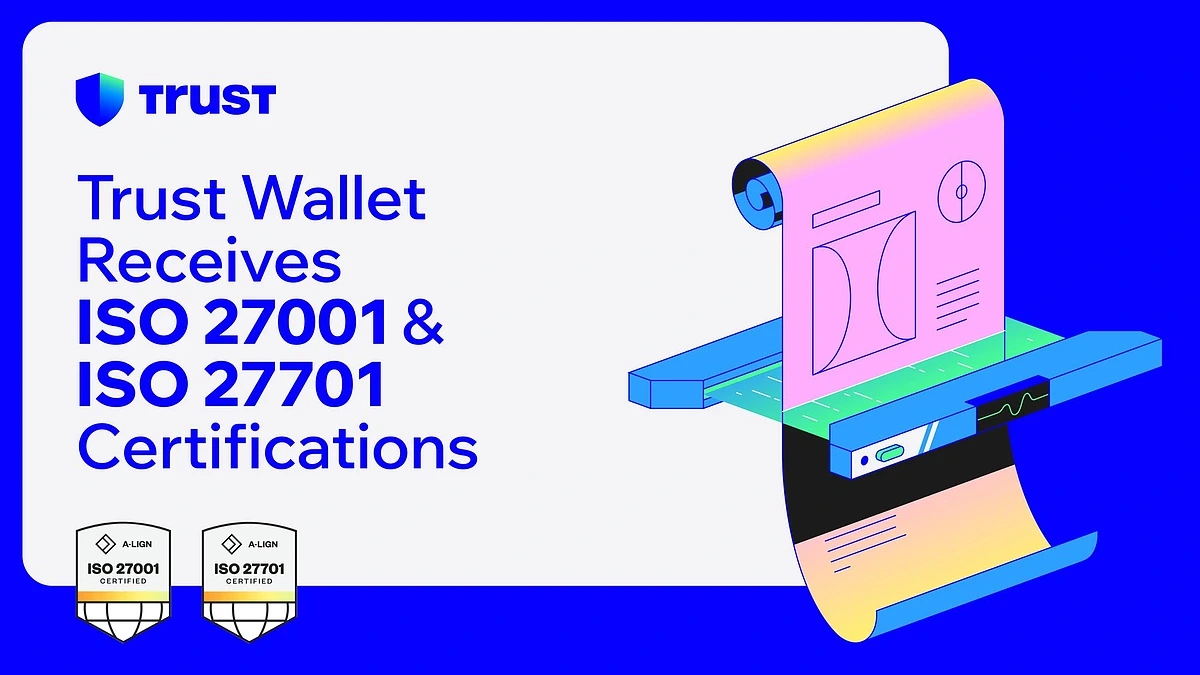
The wallet does not ask for identity verification, and throughout its existence, only one case of its hacking is known: from November 14 to 23, 2022, hackers withdrew about 170,000 USDT from Trust Wallet user addresses. The wallet team fixed the vulnerability and compensated users for the stolen funds.
It is also worth noting that the wallet is certified according to the ISO 27701 standard – this means that the company maintains an effective system of privacy and information security. In other words – no data about wallet users is disclosed.
TronLink: Specific Wallet for TRON
The only crypto wallet that is approved by the Tron blockchain as official. In 2026, the number of TronLink users exceeds 10 million, and the application is available both as a mobile app and as a browser extension for Chrome or FireFox.
The wallet has seamless integration with the Tron blockchain, making all network token operations almost instantaneous. The TronLink team integrated multi-level algorithmic encryption to secure user data. Also, the wallet regularly undergoes security audits from third-party companies, and so far, it has never failed one.
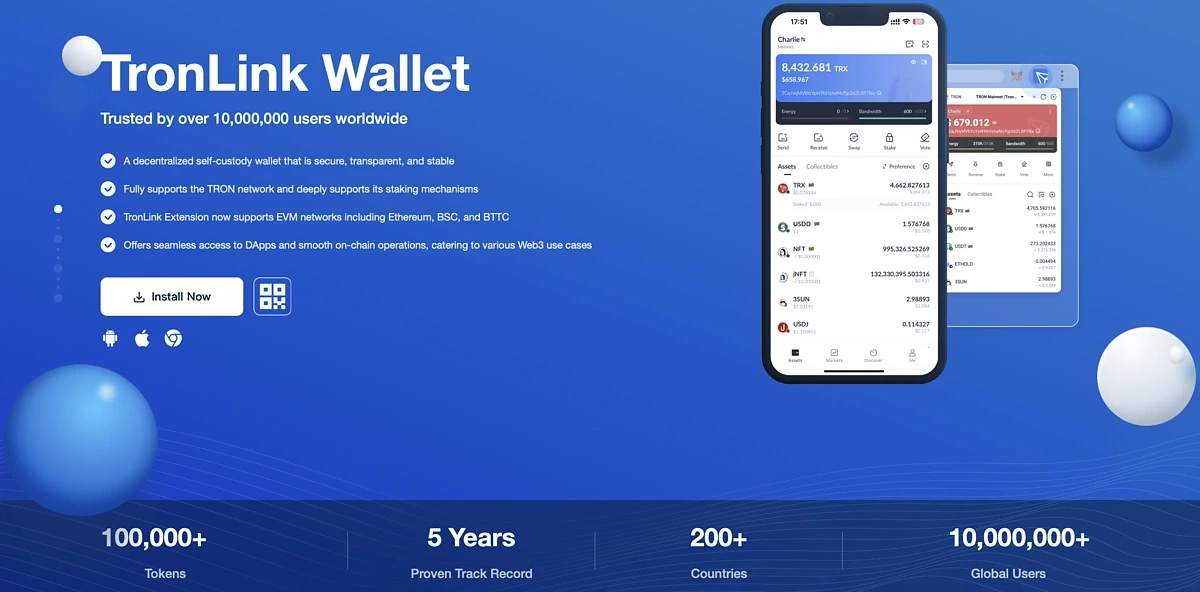
Among interesting functions – TronLink allows you to stake TRX without leaving the wallet and generates several key pairs, which positively reflects on security.
Klever Wallet: User-Friendly Interface
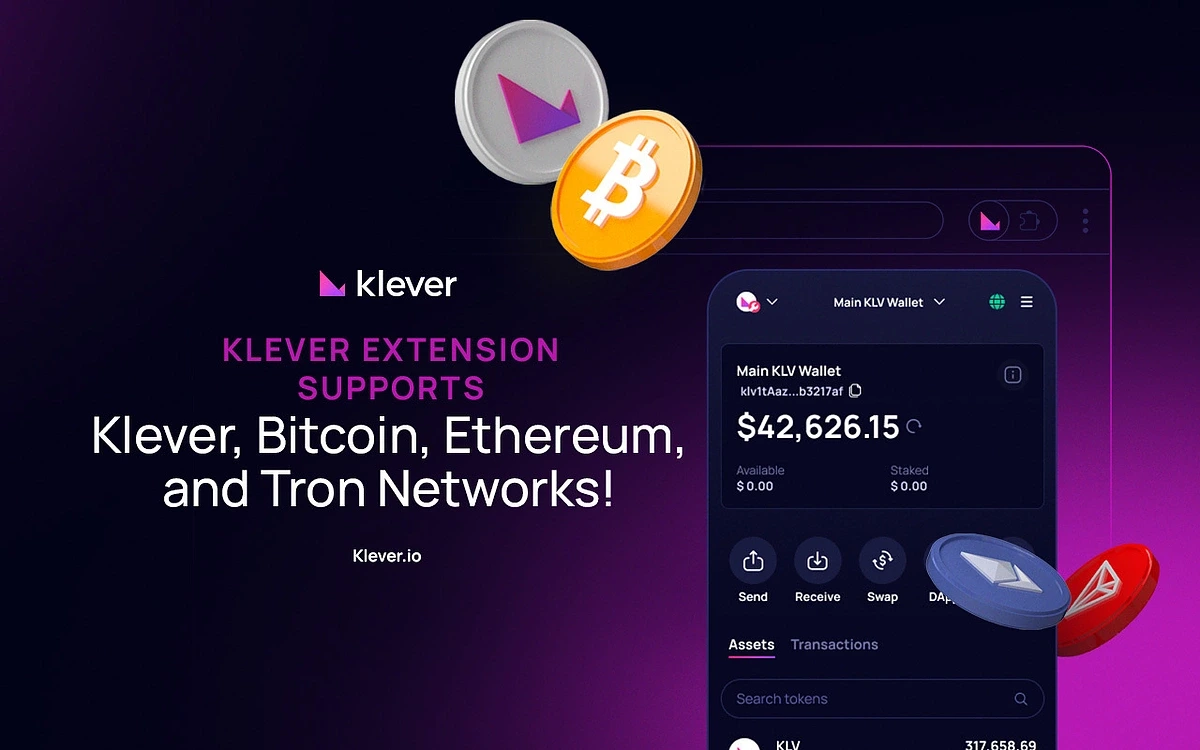
The wallet is available as a mobile application for IOS and Android. Initially, its name was TronWallet and it supported only Tron network tokens. However, it quickly rebranded to Klever Wallet and now supports tokens of major blockchains: Bitcoin, Ethereum, Solana, Tron.
The wallet's internal functions allow for token swapping and locking them for staking, as well as interacting with decentralized applications. The wallet also has its own exchange, Klever Exchange.
On the downside: in 2023, a bug was found in the Klever system that could allow unauthorized access to private keys. However, according to the wallet team, this did not happen, as the vulnerability was identified and eliminated at an early stage.
TotalSig: Multi-Signature Wallet for TRON
First, you need to understand what a multi-signature wallet is: it is a mechanism that involves splitting private keys into so-called "signatures." The user decides how many signatures the wallet will have upon creation (maximum 32), and all will be required when making a transaction from the wallet. If it happens that one of the users loses access to their signature, the cryptocurrency in the wallet will be lost forever. Crypto exchanges often use such solutions on cold wallets to protect user funds.
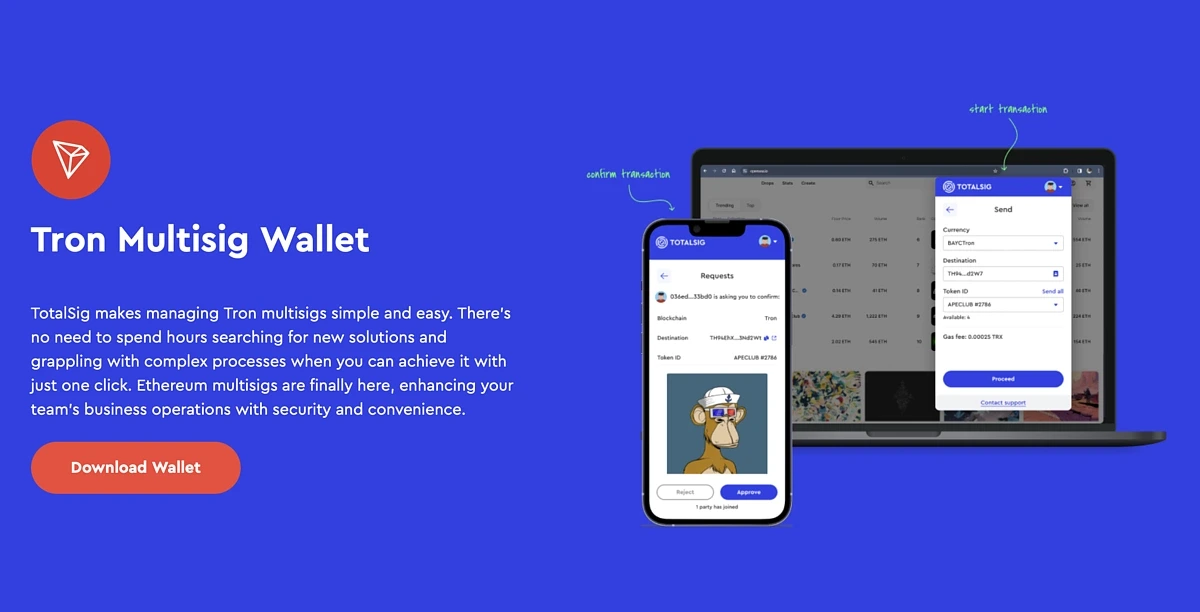
TotalSig supports tokens of major blockchains: Bitcoin, Ethereum, TRON, Binance Smart Chain, Litecoin, and others. Compared to standard multi-signature wallets, in TotalSig, you can set up an incomplete number of signatures to conduct wallet operations. For example, if there were initially 3 signatures, you can set the minimum number of signatures for a transaction to 2.
Of the minuses – the wallet is available only as a Chrome extension, and security audits of this software are not conducted, which does not inspire confidence.
Ledger Stax: Next-Generation Hardware Wallet
Ledger is one of the largest manufacturers of hardware crypto wallets. This type of wallet is cold storage with an increased level of security: the fact is that Ledger software is capable of resisting various hacker attacks or viruses if connected to an infected device.
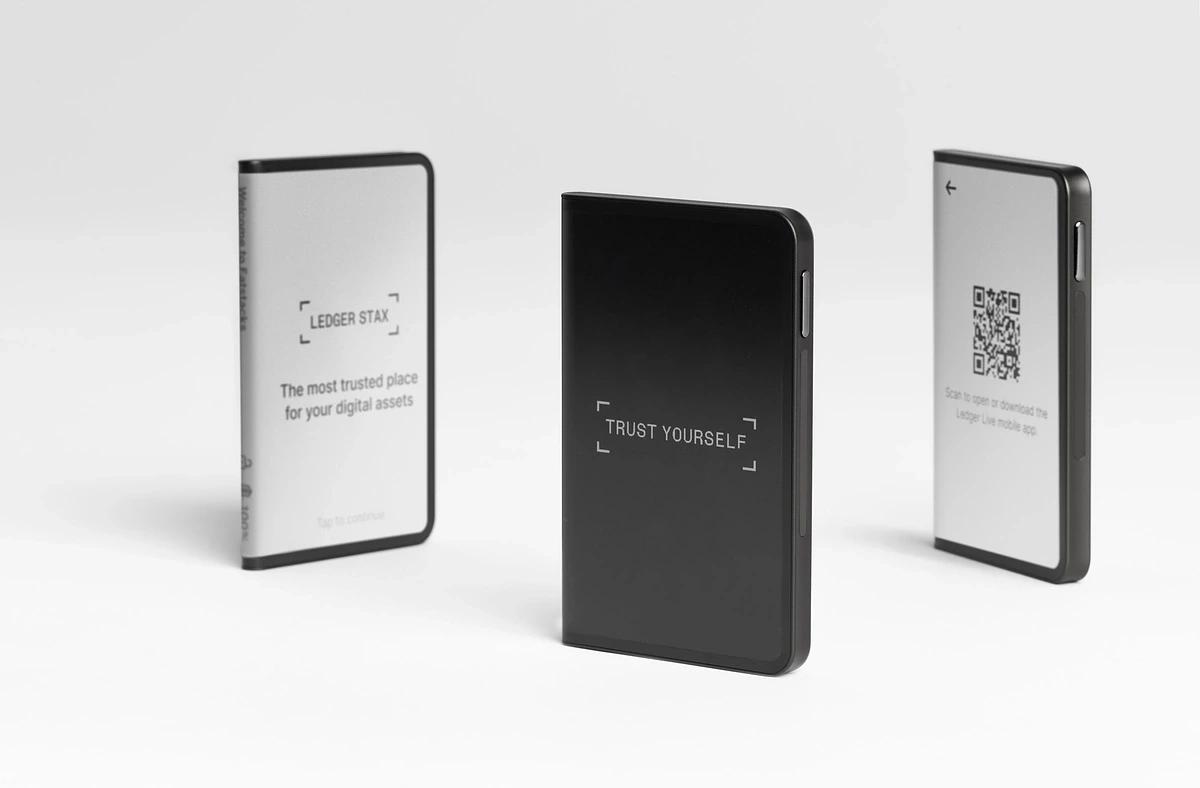
Ledger Stax has a touchscreen display that serves to display information, as well as for entering security codes and passwords. The device itself supports over 5,000 tokens from different blockchains, including TRX. It is also convenient that the Ledger Stax software update occurs using Bluetooth, so it doesn't need to be connected to a PC.
Ellipal Titan: Completely Isolated Wallet
Another type of hardware wallet, but with a slightly different approach: Ellipal Titan has no possibility of WiFi or Bluetooth connection, and there is no USB connector or any others.
Instead, the wallet's entire functionality is based on QR codes: your private keys can be scanned by the device, and if needed, a QR code with private keys will appear on the Ellipal Titan screen. This approach secures the wallet from possible malware, as Ellipal Titan does not interact with the Internet or other devices in any way.
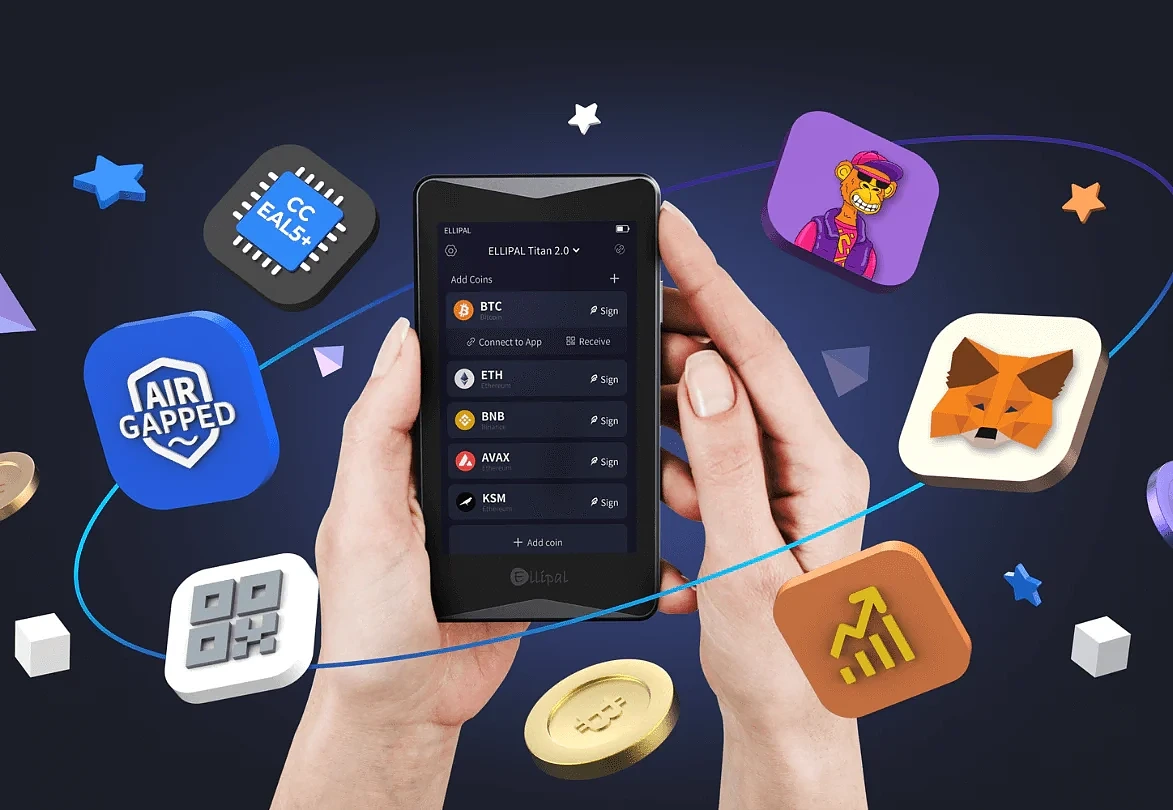
Furthermore, if the Ellipal Titan software decides that someone is trying to get unauthorized access to the wallet, it will automatically wipe all data. Therefore, if you are going to purchase this wallet, you must store the seed phrase from the created address somewhere to restore access to it.
Comparing USDT Tokens: ERC-20 vs. TRC-20
What is USDT and its Standards
USDT or Tether is a stablecoin: it is pegged to the US dollar in a 1:1 ratio. Essentially, every USDT owner can exchange it for a US dollar, but most of its holders do not need this, as the stablecoin is used for operations on crypto exchanges and other platforms.
Tether Limited (the issuer of the USDT stablecoin) regularly audits the assets that back all available coins in supply. In 2025, de-pegging from the US dollar for USDT occurs very rarely and usually does not exceed 2-3%. However, the largest de-pegging was recorded on March 2, 2015: then USDT was worth $0.56.
Main Differences Between ERC-20 and TRC-20
|
Difference |
USDT ERC-20 |
USDT TRC-20 |
|
Launch Year |
2018 |
2019 |
|
Blockchain |
Ethereum |
Tron |
|
Transaction Fee |
High, charged in ETH |
Low, charged in TRX |
|
Transaction Speed |
Slower due to network congestion |
High speed |
|
Security |
High, proven network |
Less popular, but fast |
|
DApp Compatibility |
Full, access to many DeFi projects |
Limited |
|
Exchange for other tokens |
Simple conversion to ERC-20 tokens |
Requires additional steps |
|
Wallet Support |
Supported by most wallets |
Support not in all wallets |
|
User Popularity |
Widely used |
Becoming more popular due to low fees |
It's also worth noting that recently Tron creator Justin Sun stated that soon commissions for USDT transactions on his network will stop being charged.
Frequently Asked Questions about TRON and Wallets
How to create a TRON wallet?
You can create a TRON wallet in several ways:
-
Via mobile and desktop applications. Install one of the supported wallets (e.g., Trust Wallet, TronLink, or Klever Wallet), create a new wallet, save the seed phrase, and set up security;
-
Via browser extension. Install TronLink for Chrome or Firefox, create a wallet, and write down the seed phrase;
-
Via hardware wallets: Buy a Ledger or Ellipal Titan, set it up via the official software, and create a new address.
How to buy TRX?
There are several ways to buy TRX:
-
Via crypto exchanges. Binance, KuCoin, Huobi, OKX, and other exchanges allow you to buy TRX;
-
Via exchangers. There are many P2P platforms and online exchangers that allow you to exchange fiat for TRX directly from other users;
-
Via DeFi protocols. You can exchange other cryptocurrencies for TRX using decentralized exchanges such as JustSwap.
What is the best wallet for TRON?
Choosing the best wallet depends on your goals:
-
For beginners: Trust Wallet – convenient, easy to use, and secure wallet;
-
For users working only with TRON: TronLink – the official wallet integrated with the TRON ecosystem;
-
For long-term storage: Ledger Stax or Ellipal Titan – hardware wallets with maximum security;
-
For teamwork and business: TotalSig – a multi-signature wallet for managing funds by multiple people.
Conclusion
TRON (TRX) is a fast-growing blockchain platform that provides powerful tools for creating decentralized applications and digital content. In 2026, the TRON network continues to develop, offering low fees and high transaction speeds, making it a viable alternative to Ethereum.
When choosing a wallet, it is important to consider the level of security, ease of use, and support for TRC-20 standards. Trust Wallet, TronLink, and hardware wallets such as Ledger and Ellipal Titan are reliable solutions for storing TRX.
And so that your assets are not just stored but also generate income, use Arbitrage Scanner – it analyzes the market 24/7, identifying the best moments for arbitrage operations with TRX and other tokens.
TRC-20 is becoming increasingly popular due to low fees, and in the future, even more favorable conditions are expected for TRON network users.
Want to learn more about crypto arbitrage?
Get a subscription and access the best tool on the market for arbitrage on Spot, Futures, CEX, and DEX exchanges.
You might be interested
SUI Cryptocurrency: Complete Review of the Blockchain Project and its Token

What is Solana (SOL): Project Overview and Future Prospects
