


Divergence in Trading: How to Find and Trade It Correctly


with ArbitrageScanner!
Divergences in Cryptocurrency – How to Find and Trade Them
Divergence is one of the key tools of technical analysis, as it allows one to determine when a turning point may occur in the market. It is especially relevant in high-volatility markets, which include cryptocurrency. Given that price reversals in digital assets are not uncommon, divergence is used by traders in crypto market analysis almost constantly.
In this article, we will look at what divergence is, its types, the indicators used, as well as trading rules and common mistakes when working with this tool.
What is Divergence
Divergence (from Lat. divergo – "to deviate") is a discrepancy between the direction of an asset's price movement and the readings of a technical indicator. Simply put, if the asset price is rising, but the indicator data suggests there are no grounds for growth, this is called divergence. When the price reaches new highs or lows, but the indicator does not confirm this movement, a divergence arises, signaling a possible change in trend.
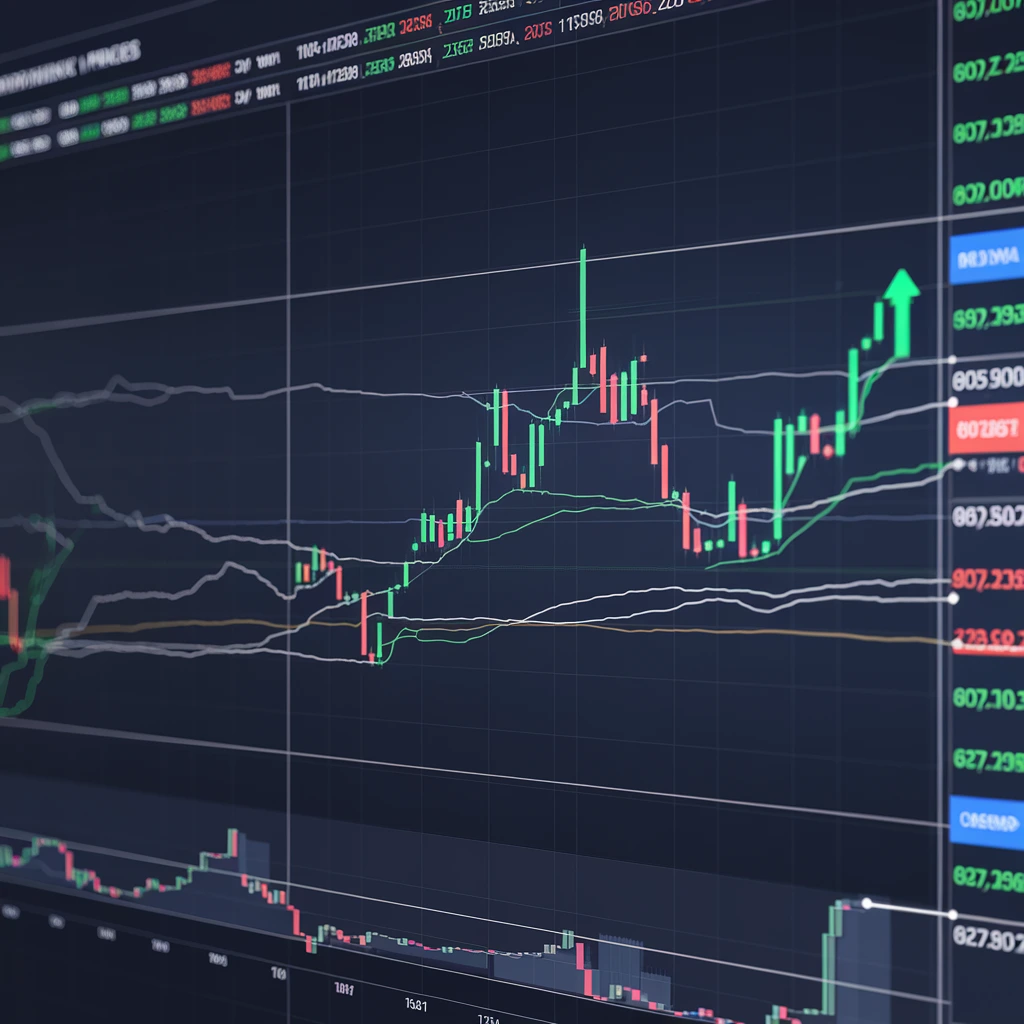
Divergence and Convergence
The opposite phenomenon is convergence (from Lat. convergo – "to converge"), when the price and the indicator move in the same direction, confirming the current trend. In other words, if the technical indicator shows growth along with the price, this is convergence.
In the context of technical analysis, convergence is often viewed as confirmation of trend strength, whereas divergence may indicate its weakening or a possible reversal.
Types of Divergence
Bearish Divergence
Bearish divergence occurs when the price reaches a new high, but the indicator shows a lower high. This signals a possible weakening of the uptrend and a probable reversal downward.
Bullish Divergence
Bullish divergence is observed when the price sets a new low, but the indicator forms a higher low. This may indicate a weakening of the downtrend and a potential reversal upward.
Classic Divergence
Classic divergence is the standard discrepancy between price and indicator, indicating a possible trend reversal. It can be either bullish or bearish, depending on the direction of the discrepancy.
Hidden Divergence
Hidden divergence occurs when the indicator reaches a new extreme, but the price does not confirm this. This may testify to the continuation of the current trend.
Extended Divergence
Extended divergence is a rare type where the indicator forms a higher high (or lower low), while the price remains at the same level. This can foreshadow a strong trend reversal. It turns out that when the price is above the indicator readings, this is standard divergence, which may mean a further reversal. With extended divergence, the price stands almost still while the indicator readings change significantly – in such a case, the chances of a price reversal increase manifold.
Indicators for Determining Divergence
Relative Strength Index (RSI)
RSI measures the speed and change of price movements, helping to identify overbought or oversold conditions of an asset. Divergence between price and RSI can signal a possible trend reversal.
MACD
MACD (Moving Average Convergence Divergence) is an indicator based on the difference between two exponential moving averages. Divergence between price and MACD can indicate a weakening of the current trend.
Stochastic Oscillator
Stochastic compares the current closing price with the price range over a certain period. Divergence between price and Stochastic can foreshadow a trend reversal.
How to Strengthen the Divergence Signal
-
Combination with Fibonacci levels – if divergence forms around the 61.8% correction level, this strengthens the signal;
-
Volume support – if the reversal occurs on increased volume, the probability of signal confirmation is higher;
-
Candlestick patterns – reversal models such as hammer, hanging man, or star, when appearing against the background of divergence, increase its significance.
-
Formation of divergence on several indicators simultaneously, for example, RSI and MACD, is considered a strong signal.
How to Find and Analyze Divergence on the Chart
-
Choice of timeframe. For more reliable signals, it is recommended to use larger timeframes (for example, daily or weekly charts).;
-
Identification of extremes. Determine the recent highs and lows on the price chart and the corresponding values on the indicator;
-
Drawing lines. Connect the extremes on the price chart and on the indicator to reveal the discrepancy in directions;
-
Signal confirmation. Use additional technical analysis tools, such as support and resistance levels, candlestick patterns, and volumes, to confirm the divergence signal.
Trading Rules Using Divergence
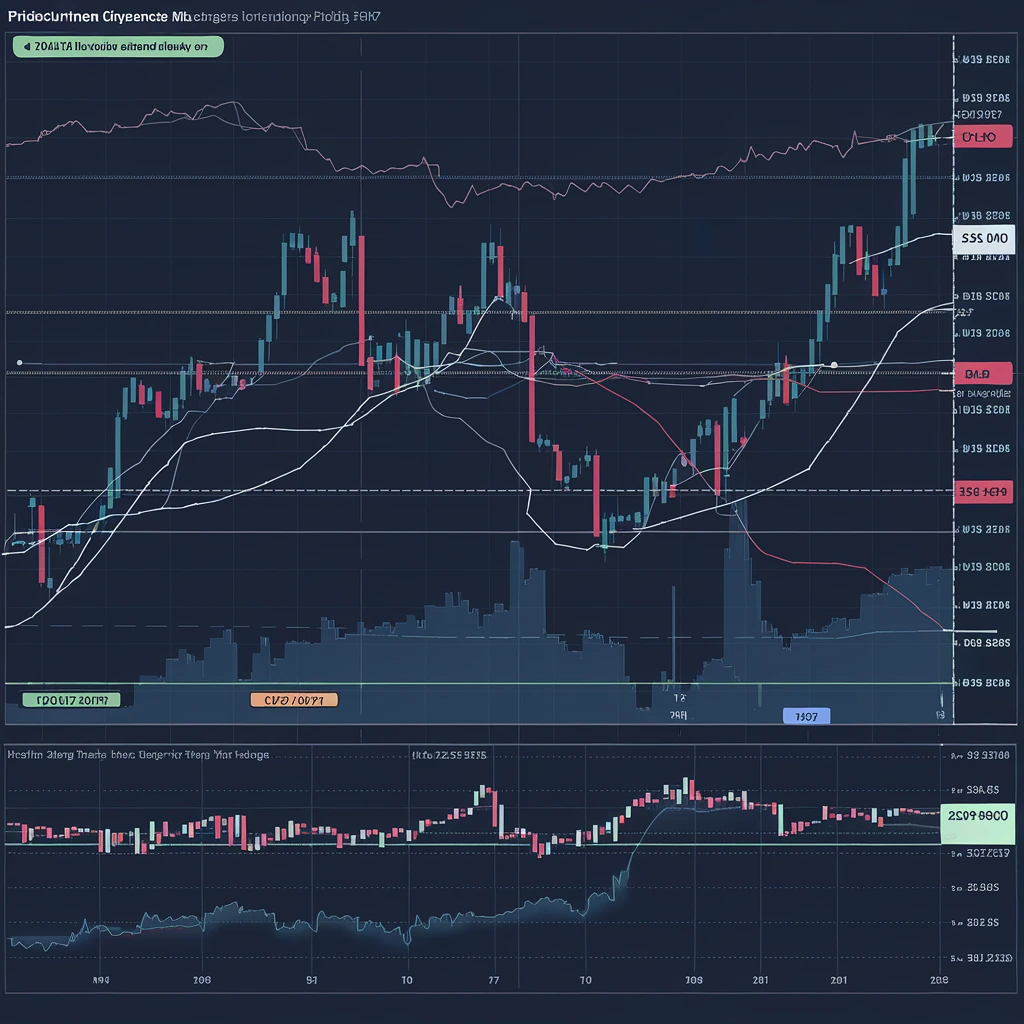
Opening Trades on Bearish Divergence
-
Signal confirmation. Ensure the presence of bearish divergence and confirm the signal using other analysis tools.
-
Setting stop-loss. Place the stop-loss above the last high to limit possible losses.
-
Target levels. Determine support levels as targets for taking profit.
Opening Trades on Bullish Divergence
-
Signal confirmation. Ensure the presence of bullish divergence and confirm the signal using other analysis tools.
-
Setting stop-loss. Place the stop-loss below the last low to limit possible losses.
-
Target levels. Determine resistance levels as targets for taking profit.
Double Divergence
Double divergence is a stronger and rarer signal arising when the price updates a high (or low) twice, while the indicator demonstrates opposite dynamics twice in a row. Essentially, this is a repeated classic divergence, reinforcing the probability of a trend reversal.
Example:
• The price forms two consecutive highs, each higher than the previous one;
• RSI or MACD, conversely, form two peaks, each lower than the previous one.
This is a clear signal of trend fading and a high probability of correction or reversal. Double divergence is especially effective on high timeframes and in combination with overbought/oversold zones.
Trading Strategy:
• Opening a position should be done after the second confirmed signal and the appearance of a reversal candlestick pattern (for example, pin bar or engulfing);
• Stop-loss – above the second high (for bearish divergence) or below the low (for bullish);
• Target – nearest support/resistance levels or dynamic trend lines.
Divergence and Price Action
Price Action is an analysis method based exclusively on the price chart without using indicators. However, combining Price Action with divergence can yield powerful signals for entry.
How to use:
-
Find divergence between the price and the indicator.
-
Wait for confirmation in the form of a reversal figure: double top/bottom, head and shoulders, inside bar.
-
Additional confirmation can be the breakout of a trend line or level.
Advantages:
-
More accurate entry points.
-
Reduction in the number of false signals.
-
Ability to work without cluttering the chart with indicators.
Example: The price forms a bullish divergence with RSI at a support level. At this same level, a pin bar with a long tail downwards appears. This is a strong signal to open a long position.
Common Mistakes When Working with Divergence
Premature Entry into Position
One of the most common mistakes is entering a trade immediately after the discrepancy appears. Divergence is a warning, not an immediate signal to act. Always wait for confirmation – a candlestick pattern, level breakout, or signal from other indicators.
Ignoring the Timeframe
Many beginner traders look for divergences on too small intervals (for example, 1 or 5 minutes). On such timeframes, there is a lot of noise and false signals. It is better to use H1, H4, and daily charts.
Using Only One Indicator
One should not rely exclusively on RSI or MACD. The reliability of analysis increases significantly when using several indicators and confirmation methods.
Opening Trades Against a Strong Trend
Even with the presence of divergence, one should not go against a steady and powerful trend without compelling reasons. It is better to look for entries along the trend, using hidden divergence as a signal for movement continuation.
Lack of Risk Management
Incorrect setting of stop-loss or its absence can lead to significant losses. Even the strongest signal does not guarantee success — the market can behave unpredictably.
Conclusion
Divergence is a powerful analytical tool that, when used correctly, allows one to significantly increase the effectiveness of trading in the cryptocurrency market. It helps identify potential reversal points, assess trend strength, and find optimal moments for entering or exiting a trade.
However, it is important to remember that divergence is not a magic wand, but merely part of complex technical analysis. It should be used in combination with other methods – Price Action, support and resistance levels, candlestick patterns, and volume analysis. Only in this way can one achieve truly confident and grounded decisions in trading.
Practice, attentiveness, and a systemic approach are the keys to successful work with divergences in cryptocurrency trading. Start small, work out signals on demo accounts, analyze mistakes, and gradually develop your own working strategy. This is exactly how the path to professionalism in trading is built.
Want to learn more about crypto arbitrage?
Get a subscription and access the best tool on the market for arbitrage on Spot, Futures, CEX, and DEX exchanges.

You might be interested

Funding Rate in Trading: How to Earn on Positive and Negative Funding
Staking USDT and USDC — How to Earn Passive Income on Stablecoins

How Does a Cryptocurrency Arbitrage Service Work?
