


NFT vs. Cryptocurrency

with ArbitrageScanner!
The Digital Economy (DE) is rapidly changing as a result of two dominant forces – cryptocurrency and NFTs – both of which utilize blockchain technology, but for entirely different reasons. To fully appreciate the difference between these two types of crypto assets, one needs to have a basic understanding of each of their unique attributes, which will help anyone wanting to navigate what the DE will be like moving forward, whether it be in finance or in digital art.
Blockchain Technology: The Foundation
How Blockchain Works
A blockchain is essentially a digital ledger that is shared throughout computers in a network to provide a record of every transaction made amongst those in the network. Its data provides an immutable and verifiable form of ownership and is completely decentralized from any central governing body such as a bank. In short, blockchain serves as the backbone of both crypto and NFTs to verify ownership.
The Evolution of Blockchain Applications
Originally, blockchains, specifically, were created to support Bitcoin to facilitate peer-to-peer transactions. Over time, the blockchain has advanced with the introduction of smart contracts (which self-execute) that permit the creation of digital tokens. This resulted in cryptocurrencies evolving from merely a method for transferring money to the development of complete ecosystems such as Decentralized Finance (DeFi) and the NFT marketplace.
Why Understanding Blockchain Matters
Without the blockchain supporting NFTs and cryptocurrency, there would be no digital scarcity. Understanding the technology that underpins NFTs and cryptocurrency helps assure an individual that their asset is safe and secure and has permanence within the digital landscape (i.e. own a temporary file versus owning permanent verifiable data).
What is Cryptocurrency
What Characterizes a Cryptocurrency
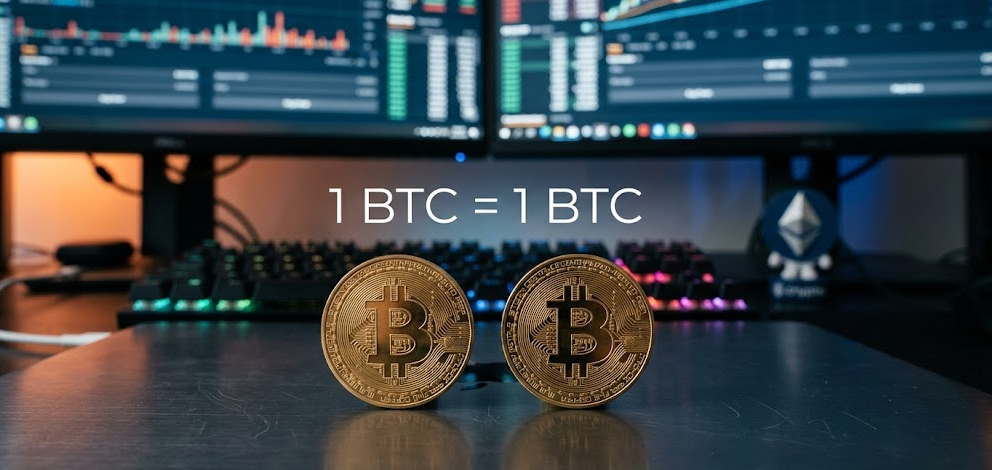
Cryptocurrency is a digital currency created for the purpose of sending and receiving money. It is a digital asset that is fungible (all tokens within its ecosystem are interchangeable). Just as one dollar is worth exactly the same as another dollar, one Bitcoin will always be equal to another Bitcoin - no more, no less.
Digital Currency Birth and Development
The advent of Bitcoin in 2009 gave birth to digital currency and opened up a new industry. Since that time, the number of alternative versions of Bitcoin (often referred to as Altcoins) has expanded exponentially, representing various use cases from transaction speed to privacy to programmable money.
Cryptocurrency Technical Basics
All cryptocurrencies operate using a set of agreed-upon protocols; for instance, Bitcoin runs on the Bitcoin Blockchain and focuses on security and storing value. Every cryptocurrency is recorded on a Blockchain and uses two key pairs (public and private) to protect cryptocurrency assets and the associated digital wallet that contains the assets.
Types of Cryptocurrencies
- Payment Tokens: such as Bitcoin (BTC) and Litecoin (LTC)
- Utility Tokens: such as Ethereum (ETH) that serve to power the network
- Stablecoins: examples include Tether, USD Coin & True USD, respectively; designed to mitigate price volatility by linking value to fiat currencies.
Top Cryptocurrencies by Name/Features
Bitcoin is widely recognized as the benchmark for decentralization-based asset value recognition. Ethereum provides the first decentralized application (dapp)/NFT blockchain capabilities available to create NFTs and dapps to build liquidity in the overall digital ecosystem.
Understanding NFTs
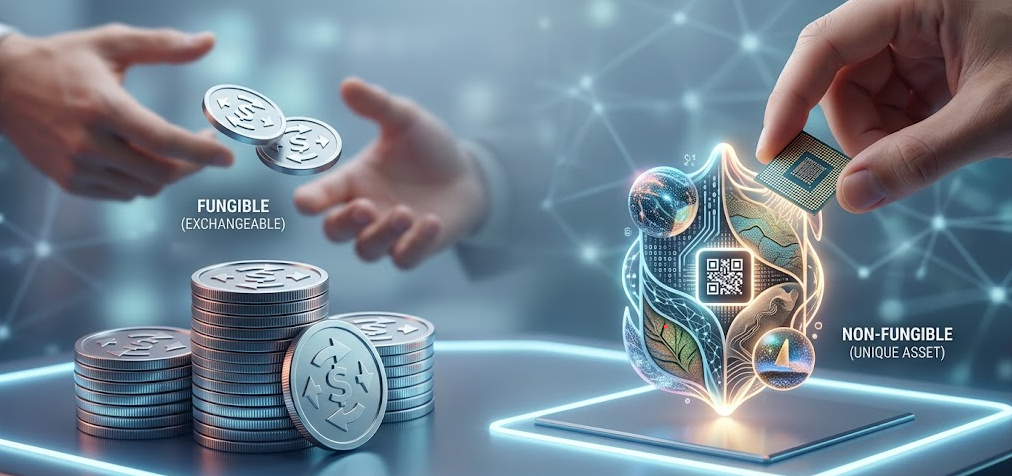
Non-fungibility: this term describes the characteristics of a unique NFT that will not exchange on a one-for-one basis against another NFT because they are fundamentally different (non-fungible). While cryptocurrencies can be used like currency exchanges between two (or more) people, NFTs are unique digital assets that can only be exchanged for other unique digital assets and are like unique works of art or deeds for land.
The Growth of Non-Fungible Tokens (NFTs) as Part of the Digital Age
Non-fungible tokens (NFTs) are having a significant impact on the digital age, by bringing digital art into the mainstream and defining the way we think about ownership of objects within the digital realm. NFTs have developed the concept of "digital provenance" for all types of digital objects.
The Technical Standards of NFTs
Most NFTs are created and traded on the Ethereum blockchain using Ethereum standards such as ERC-721. Unlike traditional cryptocurrencies, each NFT has metadata that distinguishes it from other NFTs, and represents the unique digital asset it relates to, and establishes its rarity.
NFT Ownership and Authentication
Once you purchase an NFT, the transaction is recorded on a publicly available blockchain; anybody can check the blockchain to find out who the current owner of your NFT is at any time. The NFT itself is held in your crypto wallet, and as such is protected by the same blockchain security technology as Bitcoin.
NFTs Have a Variety of Use Cases
NFTs can be used for a variety of digital objects such as:
- Digital Art: There are many examples of this type of use, such as the work of Beeple.
- Collectables: This use includes a number of collectable projects like the Bored Ape Yacht Club and CryptoPunk.
- Music: Artists are beginning to use NFTs as a means for selling their albums directly to their fans.
- Video Games: There are many different examples of NFTs in video games for in-game items and in-game property.
Major Differences between NFTs and Cryptocurrency
Fungibility: Uniqueness vs. Interchangeability
The primary function that differentiates NFTs from cryptocurrencies is that NFTs are not fungible because they represent something unique; whereas cryptocurrencies such as Bitcoin are fungible and therefore interchangeable. Therefore, cryptocurrencies are primarily designed for use in commerce and NFTs are designed for use as representations of real-world objects.
Divisibility and Fractional Ownership
You can purchase a portion of a Bitcoin; however, for most NFTs you will only be able to buy or sell the whole NFT. The concept behind NFTs is essentially based on indivisible, whole (as opposed to fractional, or otherwise) asset types. The way the crypto market determines the value of cryptocurrencies is through utility and market forces of supply and demand.
The value of a specific NFT is subjective. It is defined by its uniqueness, rarity, and the reputation of the creator, much like how physical artwork is valued.
NFTs and Cryptocurrencies both use blockchain technology; however, NFTs rely on usage of smart contracts in order to execute their unique metadata. In comparison to NFTs, executing transactions in cryptocurrency is much less complex due to the transaction primarily being a transfer of value from one digital wallet to another digital wallet without regard to the unique metadata of that transaction, thereby simplifying the execution process.
Real-World Applications
Cryptocurrencies in Finance and Commerce
Cryptocurrencies are becoming widely accepted in the financial industry for international remittances and as hedges to combat inflation. In addition, businesses are utilizing the blockchain technology to conduct transactions quicker and at lower costs, than they would using traditional banks.
NFTs are Changing the Creative Sector
NFTs offer a benefit to creators through their ability to sell NFTs and receive royalties each time their NFTs are resold so long as the NFT being resold is still unique. As a result, a large market for selling NFTs has developed whereby creators can earn a larger return.
Gaming and Virtual Worlds
NFTs in the metaverse can represent anything from avatars to land (virtual real estate). In terms of gaming, players may be able to purchase NFTs in one game and in some instances, create offspring of NFTs created by another player, allowing them to sell their assets.
Benefits and Limitations
The Advantages of Cryptocurrency
High liquidity, 24/7 exchange (trading), & global purchases/sales via internet (no intermediary). Cryptocurrencies are the foundation for a decentralized economy.
The Challenges of Cryptocurrency
Still a volatile asset; additionally, the regulatory environment and the complexities of managing a crypto wallet could pose challenges for newbies to get started in the world of crypto.
Opportunities for NFTs
Utilizing NFTs for the protection of intellectual property is an expanding use. It is evident that NFT projects build loyal communities, and serve as examples of NFTs merging physical & digital luxury goods.
Concerns with NFTs
Liquidity issues; Oftentimes, you cannot liquidate an NFT quickly. In addition, the NFT exchange market has been plagued with "wash trading," where prices have been artificially inflated, and several well-known NFT projects have decreased significantly in value.
NFTs & Cryptocurrencies
Interrelated Ecosystems
In order to purchase an NFT, you must utilize cryptocurrency. Most NFT exchanges (like OpenSea) require a cryptocurrency (like Ethereum or a different type of token) to purchase NFTs. Thus, NFTs and cryptocurrencies have a symbiotic relationship.
Future Integration
NFTs may soon serve as collateral for Cryptocurrency loans through Decentralized Finance (DeFi) projects. This will further 'cross-pollinate' the lines between NFTs and Cryptocurrencies.
Getting Started with Digital Assets
Best Practices Regarding Security
Regardless of if you are utilizing NFTs or holding Bitcoin, it is important to maintain security. Use hardware wallets, enable 2FA, and do not disclose your seed phrase. Key Principle: “If You Don’t Have It, You Can’t Use It”
NFT Marketplace Start-Up
Get set up for your purchase by opening up a Wallet to store your NFTs. You will need to purchase either ETH or BTC. You can use OpenSea to purchase your desired NFTs once you set up your wallet. When purchasing your NFT(s), you need to review how/what traits your NFT has to help make a decision on your purchase.
Final Thought
The question of “NFT vs Cryptocurrency” is really two sides of the same coin – they work together. Cryptocurrency is our digital currency and NFTs are our digital assets. Both of these technology types will continue to play an important role as the Blockchain continues to mature, and they will both be important to the future of value exchange, creation and ownership of value in the future of the Virtual Economy.
FAQ
Can NFTs Be used to purchase Cryptocurrency?
Yes, by selling your NFTs on a marketplace after you’ve created the account.
How do NFTs impact the environment?
Historically, blockchain technologies have consumed a lot of energy, the largest being the Bitcoin blockchain. Ethereum is now operating on the “Proof of Stake” model, and through this will reduce power usage by 99%+. Therefore, with NFT(s) running on the Ethereum blockchain, they require significantly fewer resources to operate.
How are taxes and regulations for cryptocurrencies?
Most countries will tax you when you make a profit – in most cases, as long-term capital gains. NFT ownership is usually taxed similar to capital gains, unless you are an artist, then you may be classified as a business and subject to ordinary income tax. Consult a local tax adviser.
What are some security measures that newcomers should take?
Newcomers should protect their NFTs by purchasing a Hardware Wallet. Do not click on any unsolicited links, tweets, or messages in DAOs from the Discord or Twitter communities. If you are not using the “Minting” tool from any verified sources, do not use it.
How will the Metaverse change our definitions of ownership?
The intersection of cryptocurrency and NFTs will enable a seamless virtual economy. NFTs could be utilized for all forms of identity, legal contracts, etc., therefore ownership can become legally and economically equivalent to ownership in the real world.
Want to learn more about crypto arbitrage?
Get a subscription and access the best tool on the market for arbitrage on Spot, Futures, CEX, and DEX exchanges.
You might be interested

Money Flow Index in Cryptocurrency Trading
Binance Leverage Trading

Morning Star Pattern
